Maldives to set up unpaid expert committees in every ministry to advise on sector policy
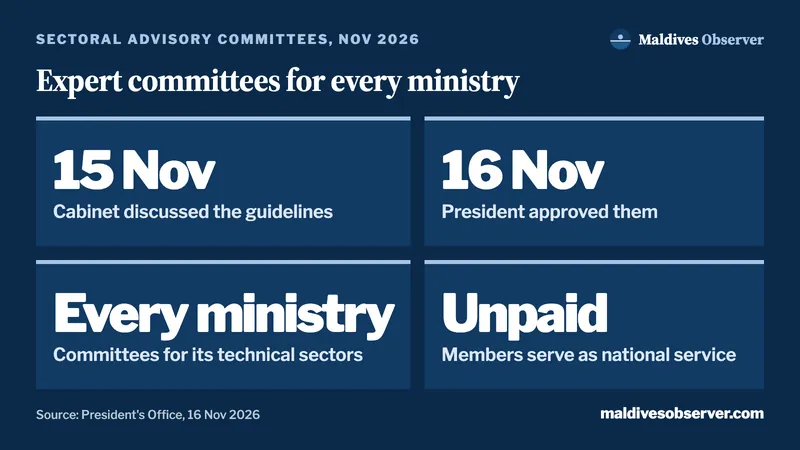
President Muizzu approved guidelines on 16 November 2026 for special committees of technical professionals inside each ministry, serving unpaid as national service. The full guidelines had not been published as of 23 November.
Every government ministry in the Maldives is to set up special committees of professionals from the technical sectors it oversees, under guidelines President Dr Mohamed Muizzu approved on 16 November 2026. Members will be people with technical qualifications and working experience in their field. They will serve without pay, as a form of national service, the President's Office said.
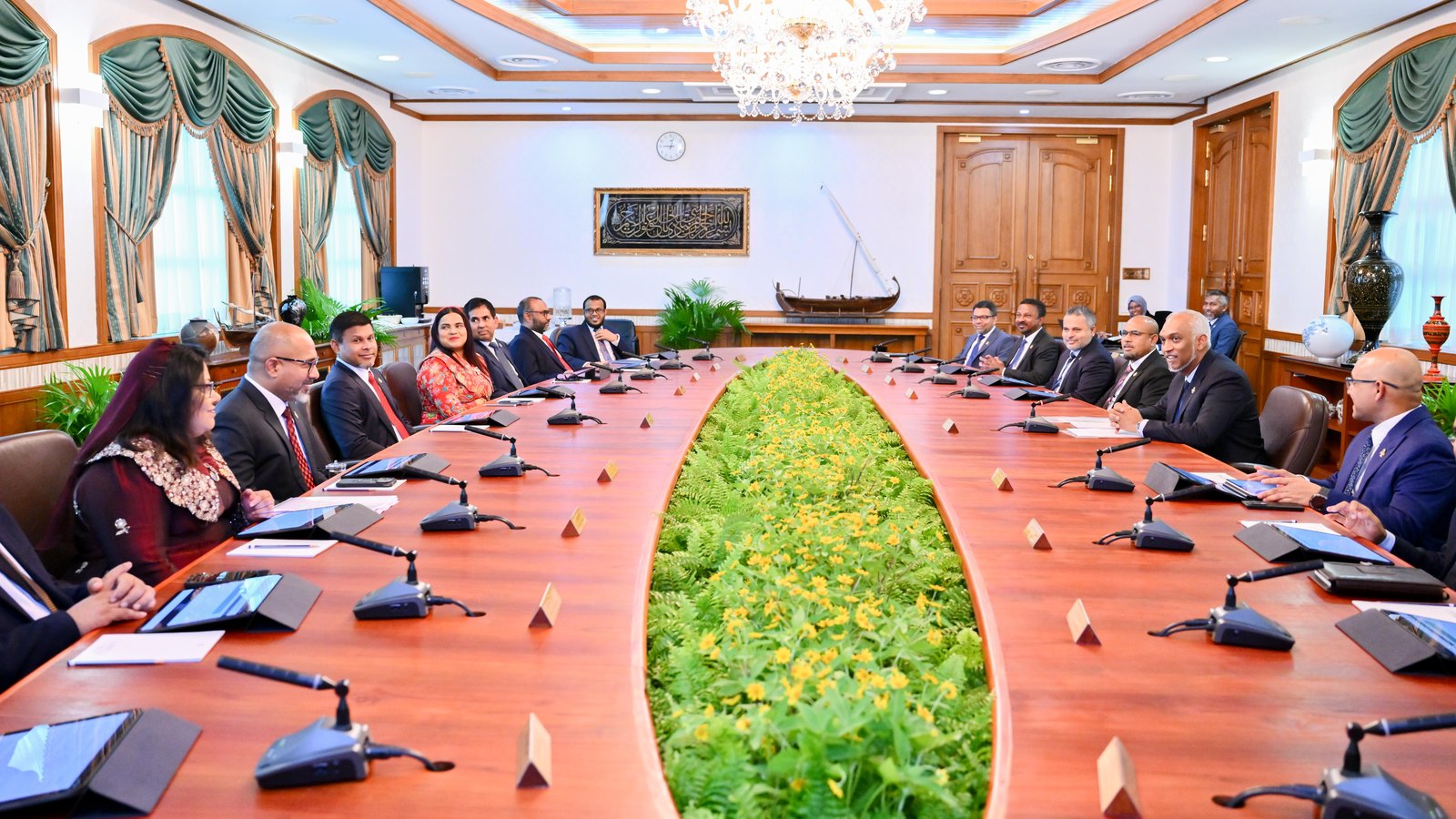
The President approved the guidelines on the advice of the Cabinet, after ministers discussed them at their meeting on Sunday, 15 November. The office said the full text would be published on its website. As of 23 November 2026 it had not appeared there, nor in the Government Gazette, so the detail of how the committees will work is not yet public.
What the committees are for
The government's stated aim is to bring practitioners into policy work. According to the President's Office, the committees will hold consultations on matters in their technical fields and give expert advice, drawing on members' training and experience, to help ministries design sector policies and carry them out.
The structure set out so far is simple:
- Where: inside each ministry, one committee for each technical sector designated for that ministry.
- Who: individuals with relevant technical qualifications and professional experience in the sector.
- Terms of service: voluntary and unpaid. The President decided that members' work should be treated as service in the national interest.
The arrangement gives ministries a standing channel to specialists working in each field, without paying them for their time.
A second, wider body in the Dhivehi text
The Dhivehi version of the announcement, issued under the same reference number (2026-689), names two bodies rather than one. Its title refers to special committees for the technical sectors and to a technical advisory council (fannee mashvaraa majlis). The English release mentions only the committees. Neither version says how the council will be formed, who will sit on it, or how it will relate to the ministry committees.
What the published guidelines will need to answer
The announcements leave several practical points to the guidelines themselves. The table below sets out what has been stated and what is still to come.
| Question | What the President's Office has said (16 Nov 2026) |
|---|---|
| Who sets the committees up | Each ministry, for its designated technical sectors |
| Who can be a member | People with relevant technical qualifications and professional experience |
| Pay | None; voluntary national service |
| Who appoints members | Not stated |
| Committee size and terms of office | Not stated |
| Which sectors are covered | Not stated; to be designated for each ministry |
| Conflicts of interest | Not stated |
| How advice is used or published | Not stated |
Source: President's Office press releases in English and Dhivehi, 16 November 2026. Status checked on the President's Office downloads page and the Government Gazette, 23 November 2026.
Conflict-of-interest rules will matter most where members also work in the industries their ministry regulates or buys from. The guidelines will need to say what members must disclose and when they should step aside.
A new channel for the public, the same week
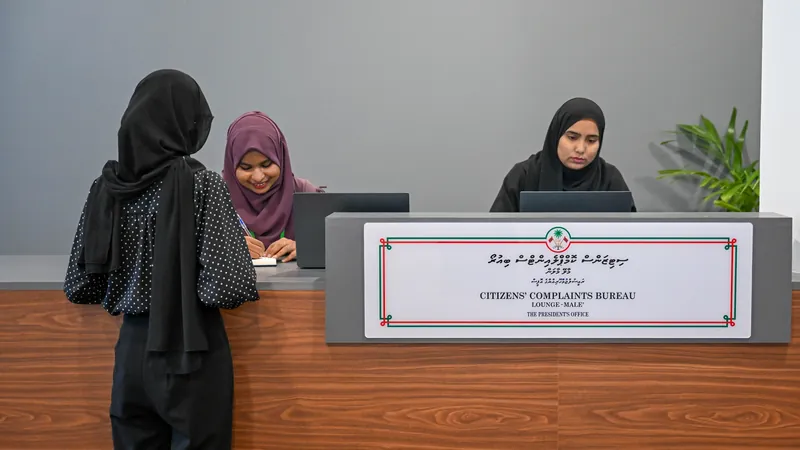
The committees are one of two moves that week to widen input into government. On 17 November the President's Office launched the Citizens' Voice portal, where members of the public can send views, concerns and complaints online. The portal is run by the Citizens' Complaints Bureau at the President's Office, which operates around the clock and also takes calls on hotline 1470. A mobile app is expected soon, the office said.
The office said the launch fulfils a pledge the President made in his 2026 address at the opening of the first session of the 20th People's Majlis. Our guide explains how to file a complaint with the government through the bureau, including its walk-in lounges.
The two schemes work at different levels. The portal collects individual grievances from the public; the committees are meant to bring specialist advice into policy before it is set.
What happens next
The next step is publication of the guidelines on the President's Office website, which should settle who appoints members, how long they serve and which sectors each ministry will cover. Ministries will then need to designate their technical sectors and invite or appoint members. No timetable for either step has been announced. The Maldives Observer will report the guidelines in full once they are published.
Explainers
- Who is the President of the Maldives? Muizzu, the Vice President and the cabinet
- Maldives budget 2027 in numbers: revenue, spending, deficit and debt
- Maldives population: how many people live in the Maldives?