Visiting the Maldives in 2026–27: a concise guide to entry, seasons, islands and etiquette
Maldives visa on arrival, the best time to visit, how to move between islands, and the customs that matter, in one short read.
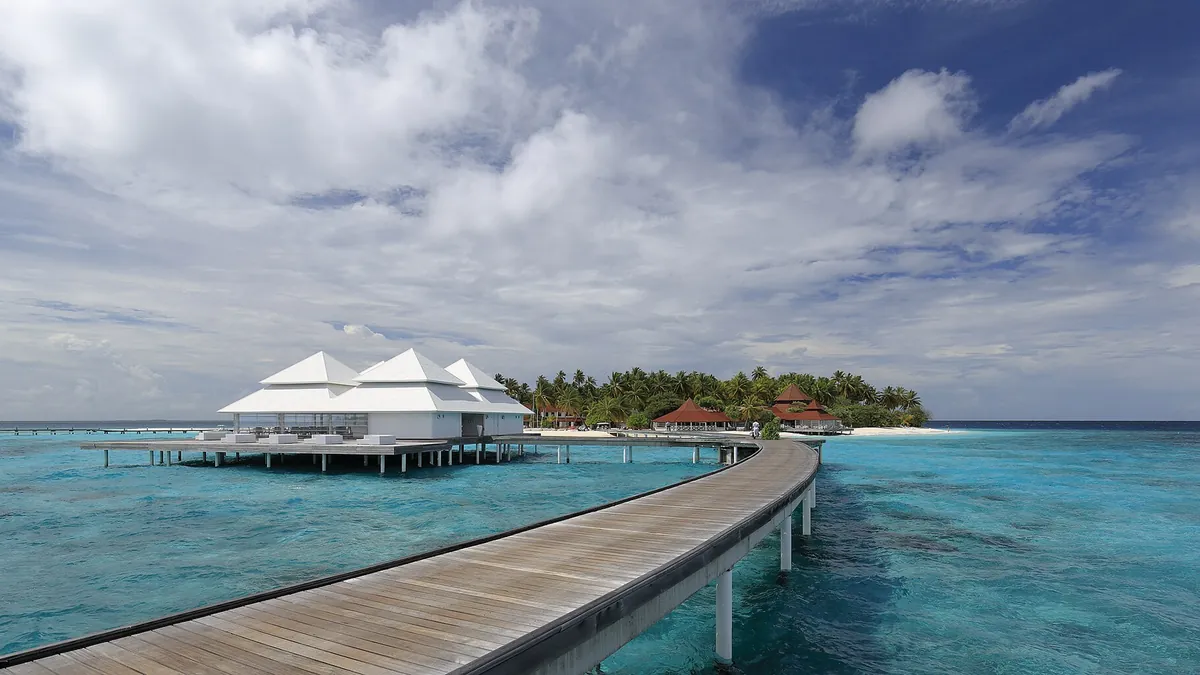
The Maldives sells itself on a single image: a villa on stilts above a turquoise lagoon. That holiday is real, and for many visitors it is exactly right. But the country has become far easier to explore on a budget since guest houses were permitted on inhabited islands, and a little planning now goes a long way. This is our concise guide for 2026 and 2027: what to sort out before you fly, when to come, how to move between islands and how to behave once you arrive.
Before you fly
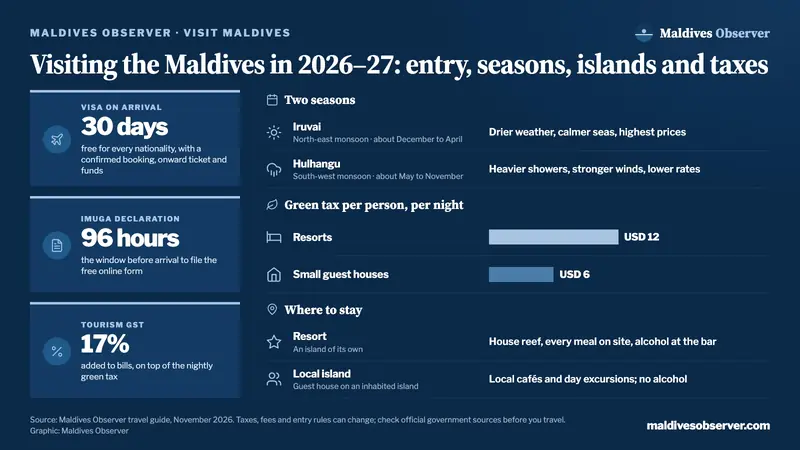
- Visa: visitors of every nationality are granted a visa on arrival, free of charge and valid for 30 days, provided they hold a confirmed booking, a return or onward ticket and sufficient funds. Make sure your passport is valid well beyond your travel dates; most airlines expect six months.
- Traveller declaration: every passenger, including children, must complete the free IMUGA declaration online within 96 hours before arrival. Use only the official government portal; sites that charge for it are not needed.
- Taxes on your bill: a nightly green tax applies (USD 6 per person at small guest houses, USD 12 at resorts), together with 17 per cent tourism goods and services tax. Both are usually added at checkout, so compare total prices rather than headline rates.
- What not to pack: alcohol, pork products, idols for worship and material considered contrary to Islam are prohibited imports, and luggage is scanned on arrival.
When to go
The Maldives is warm all year, with sea temperatures rarely far from 28°C. The real choice is between its two monsoons. The north-east monsoon, iruvai, from roughly December to April, brings drier weather, calmer seas and the highest prices. The south-west monsoon, hulhangu, from about May to November, brings heavier showers, stronger winds and lower rates; it is also the better season for surfers and for seeing manta rays in some atolls. Rain tends to arrive in short, heavy bursts, but rough seas can cancel boat trips, so leave a spare day before an international flight.
Arriving and getting around
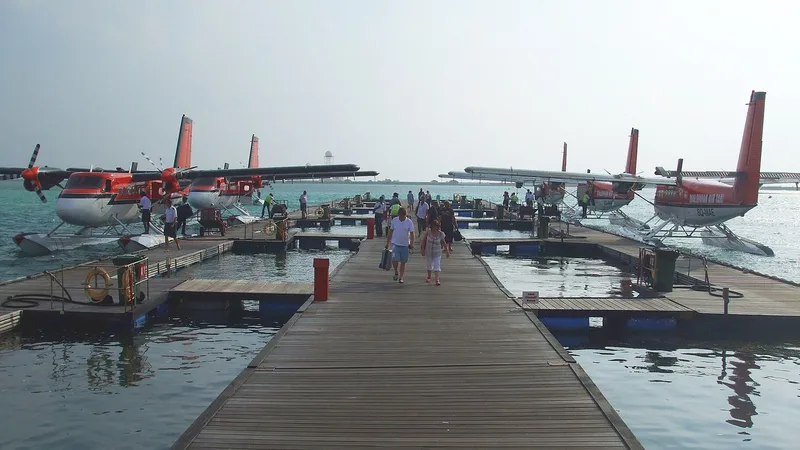
Almost every visitor lands at Velana International Airport (MLE) on Hulhulé island. Malé, the capital, and Hulhumalé, a newer city on reclaimed land, are both a short road journey away across the Sinamalé Bridge. Resorts arrange their own transfers by speedboat or seaplane, and these are often the largest single cost after the room itself.
Independent travellers have three options. State-run public ferries are the cheapest and slowest, and do not run on Fridays. Shared speedboats link Malé with many inhabited islands on fixed timetables and are the most practical choice for a short trip. Domestic flights and seaplanes serve the distant atolls. Book speedboats a day or two ahead and confirm departure times the evening before.
Resort or local island?
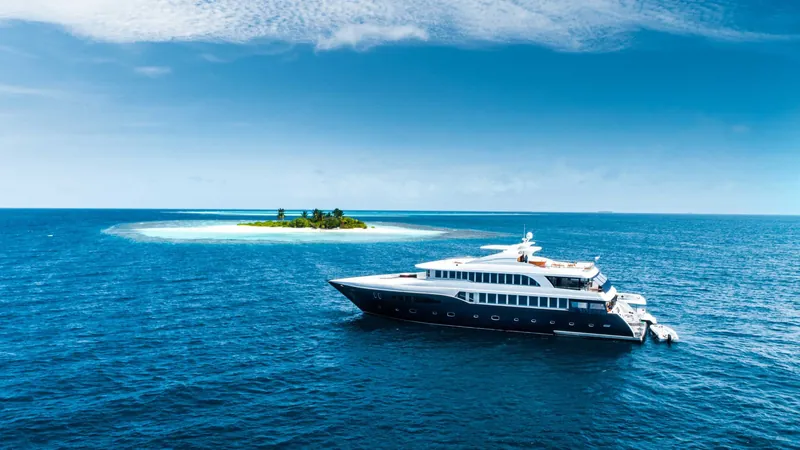
A resort occupies its own island: you will find privacy, a house reef, every meal on site and alcohol at the bar, at a corresponding price. A guest house on an inhabited island offers a simpler room, local cafés and excursions to sandbanks, reefs and resorts for the day, usually at a small share of resort prices. Many visitors now combine the two, spending most nights on a local island and finishing with two or three at a resort.
When choosing a guest house, check that it is licensed by the tourism ministry, read recent reviews, and ask whether the island has a designated "bikini beach" if swimming in Western swimwear matters to you.
Customs and courtesy
- Islam is the state religion. On inhabited islands, cover shoulders and knees away from the bikini beach, and dress modestly in Malé.
- Alcohol is available only at resorts, liveaboard boats and hotels on uninhabited islands, never on local islands or in Malé.
- Friday is the main day of prayer. Shops and cafés close around midday, and the weekend runs from Friday to Saturday.
- During Ramadan, avoid eating or drinking in public during daylight hours on inhabited islands.
- Never touch or stand on coral, and do not take shells or sand home: both are protected.
Money and practicalities
The currency is the rufiyaa (MVR), although US dollars are accepted at almost every resort and guest house. Cards work widely in Malé and at resorts; carry some cash for small islands, cafés and tips. Sockets take the British three-pin plug. Local SIM cards from Dhiraagu and Ooredoo are sold at the airport and provide reliable mobile data across most inhabited atolls.
Before you book: a short checklist
- Price the total stay, including green tax, GST and transfers.
- File your IMUGA declaration within 96 hours of arrival.
- Check your ferry or speedboat days; nothing public runs on Friday.
- Keep a buffer day before your flight home in the windy season.
- Pack reef-safe sunscreen and modest clothing for inhabited islands.
Related: Maldives tourist taxes explained and how many islands and resorts the Maldives has.
Taxes, fees and entry rules can change with each national budget. Figures here were correct at the time of writing in November 2026; check official government sources before you travel.